
THE EDGE
Welcome to The Edge Edition #1
This isn’t a newsletter about calling trades or chasing momentum. It’s a reflection on how small-cap markets behave — and how I’m learning to behave better within them. The goal isn’t excitement. It’s consistency.
MARKET CONTEXT (SMALL CAPS)
🌎 Small-Cap Market Environment
Jan 19-23rd Edition
Coming off the hot rotation/rotation-of-leadership (ROLR) action earlier in January—where small caps were extending multi-week streaks and outperforming large caps amid January Effect tailwinds, rate-cut hopes, and money flowing out of megacaps—it felt like pure momentum was going to carry forward seamlessly.
Instead, the tape shifted fast to choppy and rotational: short, explosive momentum bursts (especially in low-float, catalyst-driven names) with limited follow-through, quick fades, and plenty of fakeouts. The Russell 2000 showed relative strength overall (continuing to beat the S&P in stretches, with small caps up solidly YTD and hitting highs earlier in the month), but individual plays turned volatile—big gaps up on volume/news, then intraday chops or reversals if conviction faded.
Front-side strength still worked beautifully when you caught it early and clean (e.g., explosive runners on AI/tech proxies, squeezes, or fresh catalysts). Consolidation zones? Mostly traps—no real bids to hold levels. Over-engagement and chasing got punished hard: FOMO spiked across boards, with traders piling into names that had thin or no real news, leading to fast reversals and frustration.
The market rewarded: – Selectivity — Waiting for high-conviction setups (low-float + volume spike + catalyst) instead of forcing every gainer. – Early participation — Getting in on the front side of momentum (e.g., BNAI's massive breakout on the 23rd from mid-teens to $16.48 close with huge volume, then after-hours continuation; MOVE and DRCT ripping 200%+ ranges on AI/hardware/ad-tech themes). – Clean, decisive exits — Scaling out into strength, cutting on first failure—no hoping for more legs in chop.
The market punished: – Frustration-driven trading — Revenge entries after stops or forcing trades to "get back" what the chop took. – Premature entries — Jumping in too early on gaps without confirmation, getting shaken out on pullbacks. – Overstaying in chop — Holding through sideways action expecting breakout that never came, turning small losses into bigger ones.
Overall vibe: This was a classic trader's tape—high volatility in speculative small caps, rewarding precision and discipline over size or hope. The broader rotation (small caps still feeling January Effect heat) created opportunities, but only for those who stayed regulated, selective, and process-driven. Hesitation missed the bursts; overtrading ate edges.
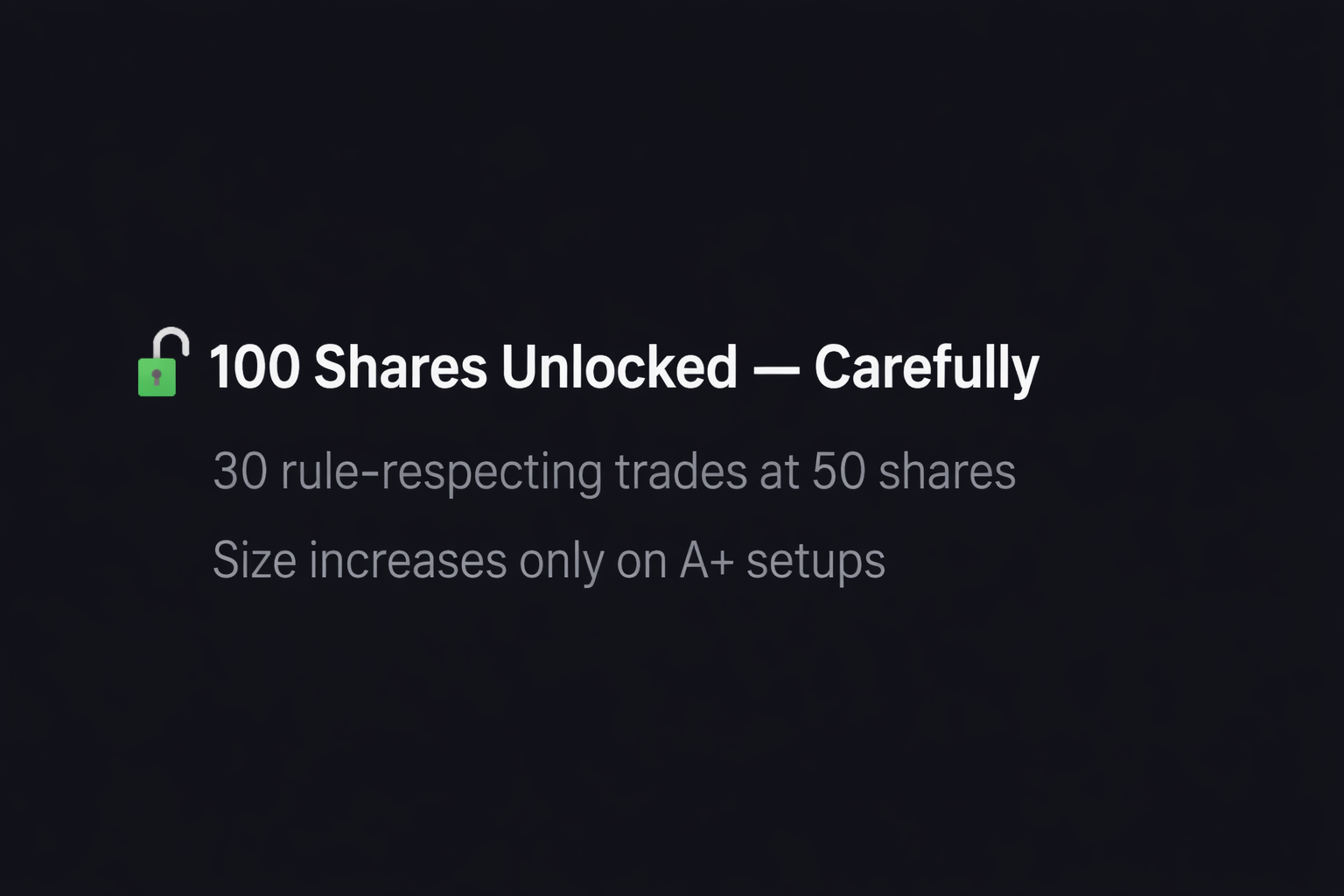
Process over prediction. Trade small while growing. More on how this ties into current watches coming
BIG MOVERS
Stocks in Play
BNAI — I saw this one explode +85-90%+ on the 23rd (closing around $16.48 after starting lower), with after-hours continuation pushing even higher. AI/tech engagement themes, low float, and massive volume made it the talk of the tape.
MOVE — This was a beast, ripping +200-236% in sessions around the 23rd. NVDA/H200 AI hardware narrative fueled the squeeze—huge volume and momentum chasers piled in.
DRCT — Spiked hard with gains in the +200-236% range that week (closing way up on the 23rd). Advertising/tech plays and offering dynamics kept it volatile but rewarding for quick hits.
v — Solid +69% move on news like a Solsten deal or gaming/esports catalyst. It held volume well and trimmed nicely on spikes.
KUST — Came back strong with +101% on divestiture/MOU announcements—classic runner revival in the rotation.
THH — Noted around +64% waves, riding retail enthusiasm and momentum.
CNEY — Continued its hot streak with similar +64% pops—speculative energy in the mix.
Others that gapped and ran hard in the period (low-float fire like NAMM, RVYL, REVB, BGL, PAVM, CMCT, SXTP, ATON, FLYX, IOTR, AZI, CJMB, SPHL, RAYA, LUCY, VERO)—these popped on volume, news, or pure squeeze action amid the small-cap heat.
THEME AND MOMENTUM
Market Theme & Momentum
Momentum showed up early but required fast decision-making. Breakouts worked only when taken decisively and managed tightly. Hesitation and over-sizing were punished quickly. This was a trader’s market — not a hold-and-hope environment.
The week of January 19-23, 2026, was classic small-cap rotation heat: Russell 2000 extending its streak (outperforming Nasdaq in stretches, up solidly YTD on rate-cut hopes, earnings pickup, and money flowing out of megacaps). But the real fireworks were in the low-float, speculative runners—AI-adjacent, news-catalyst, squeeze setups that detonated on volume. These weren't index plays; they were momentum beasts where entries had to be sharp, scales aggressive on strength, and exits non-negotiable on weakness.
Standouts that exemplified the theme:
BNAI — The undisputed leader. I watched it explode from mid-teens to $68+ in after-hours on the 23rd (massive +85-90%+ intraday, then continued supernova). AI licensing buzz, low float, and volume flood turned it into a textbook momentum monster. Lesson: When conviction hits on a clean setup, size appropriately and let it run—but trim into strength to lock gains before the inevitable pullback.
MOVE — Ripped +200-236% in sessions around the 23rd. NVDA/H200 AI hardware narrative + micro-float squeeze = pure volatility. Had to be in early and out on spikes; no room for "maybe it'll keep going."
DRCT — Spiked +78-236% range that week on advertising/tech plays and offering dynamics. Volatile as hell—great for quick hits if you respected levels, brutal if you overstayed.
SLE — +69% on Solsten/gaming deal news. Held volume and trimmed well on pops—solid example of catalyst-driven momentum without going nuclear.
KUST — +101% revival on divestiture/MOU. Runner comeback story in the rotation.
Others firing hard: THH and CNEY (~+64% waves on retail/momentum), plus low-float names like NAMM, RVYL, REVB, BGL, PAVM, CMCT, SXTP, ATON, FLYX, IOTR, AZI, CJMB, SPHL, RAYA, LUCY, VERO—gappers and squeezes feeding off the small-cap energy.
Key takeaway from the week: In these environments, the market rewards precision over hope. Spot the theme (AI proxies, low-float catalysts, rotation flows), wait for your edge (volume spike, clean breakout, relative strength), enter decisively, manage risk ruthlessly (cuts on first sign of failure), and scale out into strength. Over-sizing or hesitating turns winners into losers fast. I trade small while building—psych edge compounds when you stick to process over FOMO.
This rotation isn't over yet (small caps still feeling January Effect tailwinds), but setups like these demand respect. Stay disciplined, trade what you see, not what you want. More breakdowns on current watches coming—hit reply if any of these resonate or you want levels on similar plays now. 🚀
PSYCHOLOGY PROCESS THIS WEEK
This is the part P&L can’t show
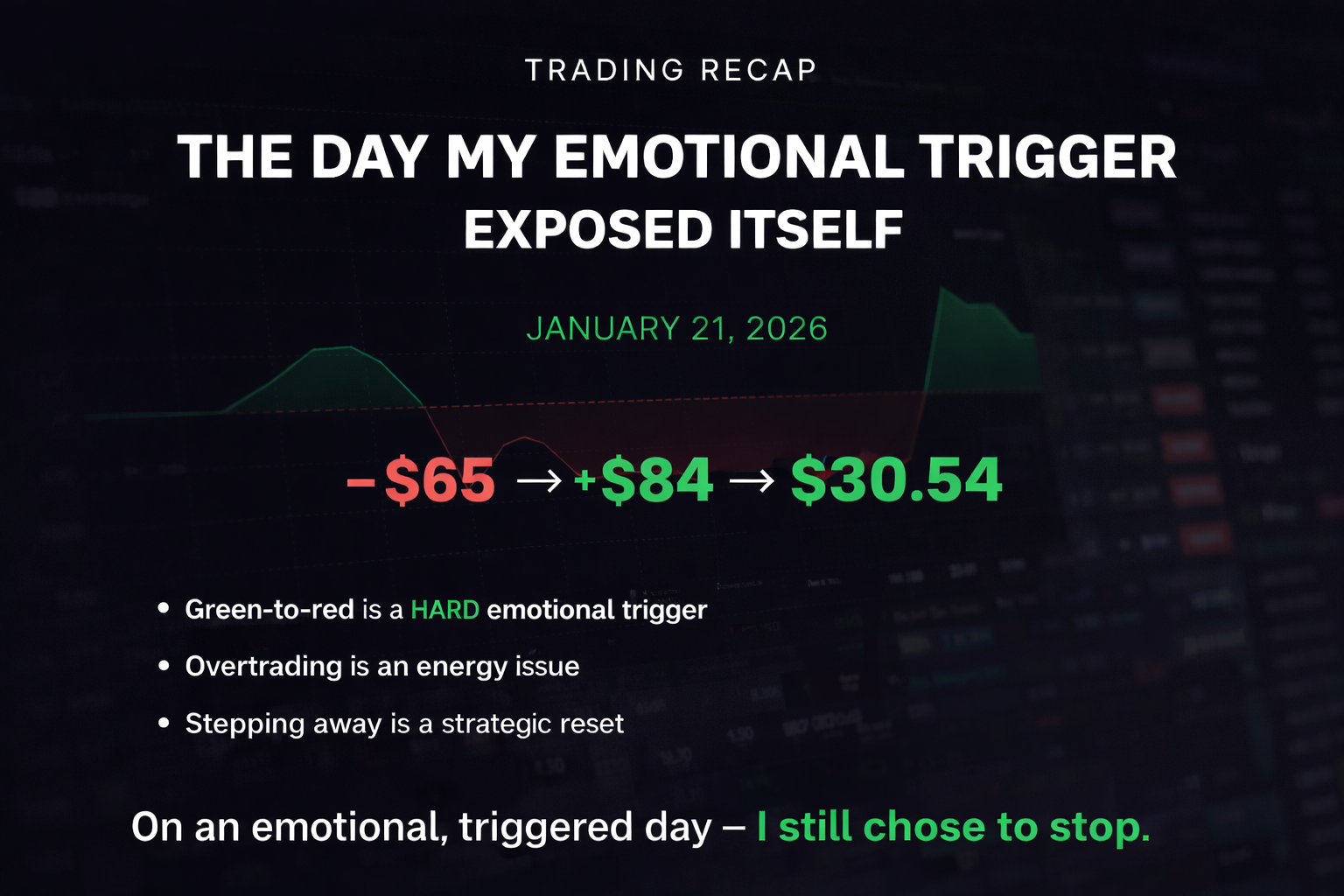
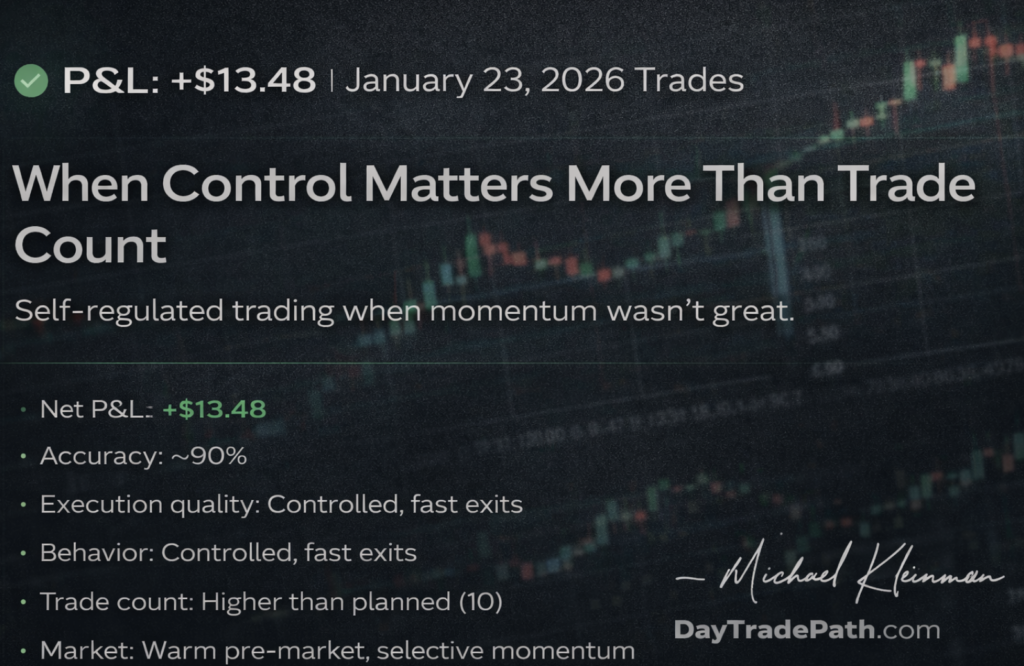
My best trades happened when I stayed selective and calm. Overtrading showed up when I tried to force momentum that wasn’t there. When regulation slipped, trade count increased — no edge.
This is still the main area I’m working on.
The week of January 19-23 (and into the weekend) hammered this home again. Small caps were on fire—low-float runners like BNAI (exploding +90%+ on the 23rd from ~$8.66 close prior to $16.48, with volume over 37M+ shares and after-hours continuation), MOVE (+200%+ sessions on AI/hardware squeezes), DRCT, SLE, KUST, and the rest of the list we covered. Momentum was everywhere if you had the right setup, but forcing entries on FOMO or chasing without clean confirmation turned potential winners into chops or losers fast.
What P&L doesn’t capture:
On regulated days (nervous system calm—cold plunge helped big time this week), patience was automatic. I scanned, filtered float/volume/catalyst, probed small, scaled only on strength. Selectivity felt effortless; rules held without fighting.
When regulation dipped (urgency creeping in, even subtly), I knew the plan—I just didn’t value it in the moment. Trade count ticked up, edges blurred, and overtrading showed its face. Not greed exactly, more like the system overriding discipline because state wasn’t intact.
Self-regulation isn’t about grinding willpower or “just be disciplined.” It’s nervous-system first. Restore state → selectivity and calm follow. Force it without that foundation → slips compound. I’m documenting this publicly in real time (no sales, just journal) because owning the unseen part builds the real edge over time.
Still grinding this daily: more cold plunges, rule reviews morning/night, journaling every session (win or loss), and reminding myself—process compounds when regulation leads. P&L will reflect it eventually, but the mental compounding happens now.
If this resonates or you’re battling the same (overtrading when state slips), drop a reply—what’s your go-to for restoring regulation? Staying small while I grow. More on current watches soon.
JOURNAL SNAPSHOT
My Trades

ONE PRACTICE FOR NEXT WEEK
"Am I participating — or trying to control the market?"
If it's control, pause.
Last week's small-cap heat (BNAI exploding on real catalyst + volume, MOVE/DRCT ripping on squeezes) rewarded participation: spotting the rotation theme, waiting for clean setups (low-float + news/volume edge), entering decisively, scaling out into strength, and cutting when it failed. The winners came from flowing with what the market was giving—not forcing entries on every gap, chasing fades, or willing a pullback to reverse because "it has to."
When the urge to control shows up (over-sizing to "make it work," revenge trading after a slip, or scanning harder to find something that isn't there), it's usually state talking louder than process. Pause resets the nervous system—cold plunge, breath, quick walk, whatever restores calm—and lets selectivity return. Participation means trading what's in front of you with edge; control means fighting reality.
One simple gate: that question before the first entry each session. If the answer feels off (even a little), step away until it doesn't. No trade is better than a forced one.
This practice compounds. Small wins in regulation build the mental muscle for bigger momentum windows ahead (January Effect still in play, small caps rotating).
Until next week,
The Edge
PS: Please share with your trader friends!